Skip to content
What We Inspect

Everything we look at, and why it matters.

Every standard inspection meets or exceeds Maryland's standards of practice (COMAR 09.36.07). If there's something we can't safely reach, it doesn't get quietly skipped. We write it down, say why, and tell you what to do about it.

Call an inspector
System by system

Twelve systems, top to bottom.

Here's what we check in each one, and what we tend to find in houses around here. Maryland's housing stock has its own habits, and knowing them is most of the job.

What we check
  • Shingle condition, age and layers, walked when it's safe to
  • Flashing at chimneys, skylights, walls and plumbing vents
  • Gutters, downspouts and where the water ends up
  • Signs of past leaks, checked again from the attic side
What we often find in Maryland homes

Asphalt roofs 18 to 25 years old with granule loss and curling on the south-facing slopes.

Chimney flashing patched with roofing tar instead of proper step and counter flashing.
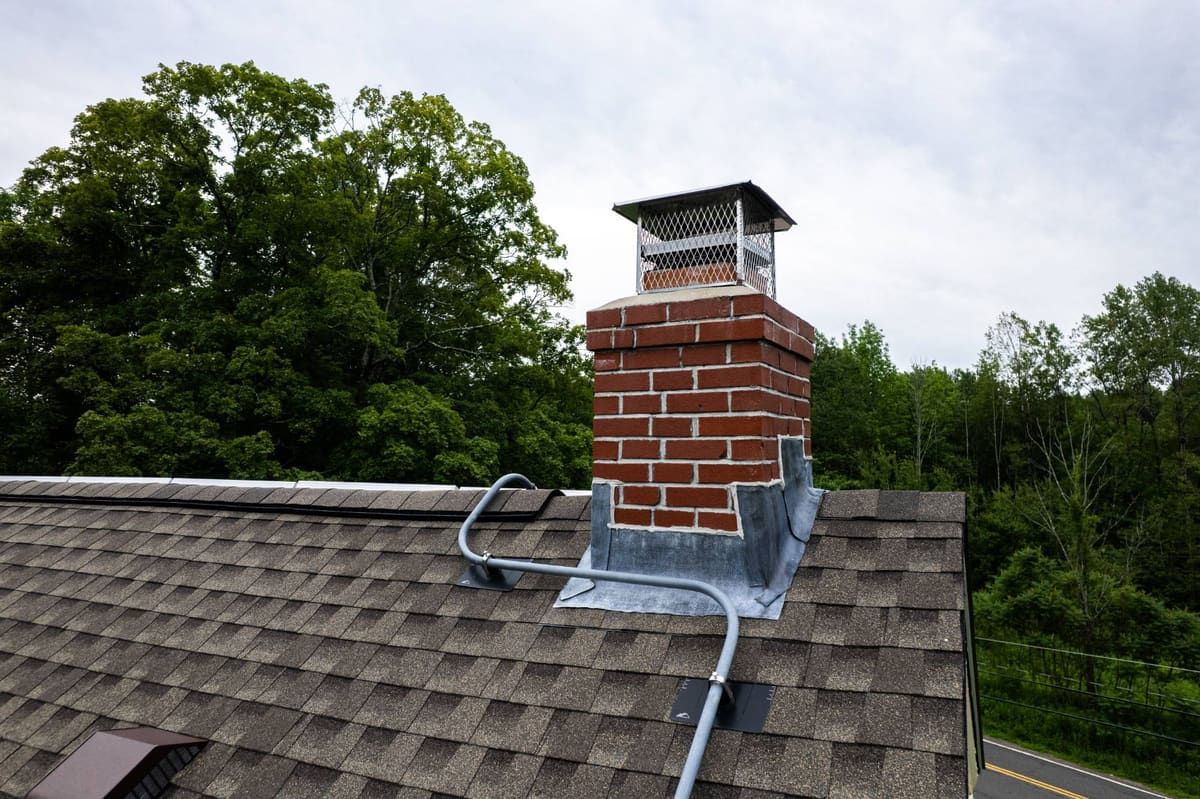
Brick chimney with metal step flashing on an asphalt shingle roof

What we check
  • Insulation type and depth across the whole floor
  • Soffit, ridge and gable ventilation, and whether air can actually move
  • Bath and kitchen fans vented outdoors, not into the attic
  • Roof sheathing for staining, frost marks and rot
  • Wiring, junction boxes and signs of pests
What we often find in Maryland homes

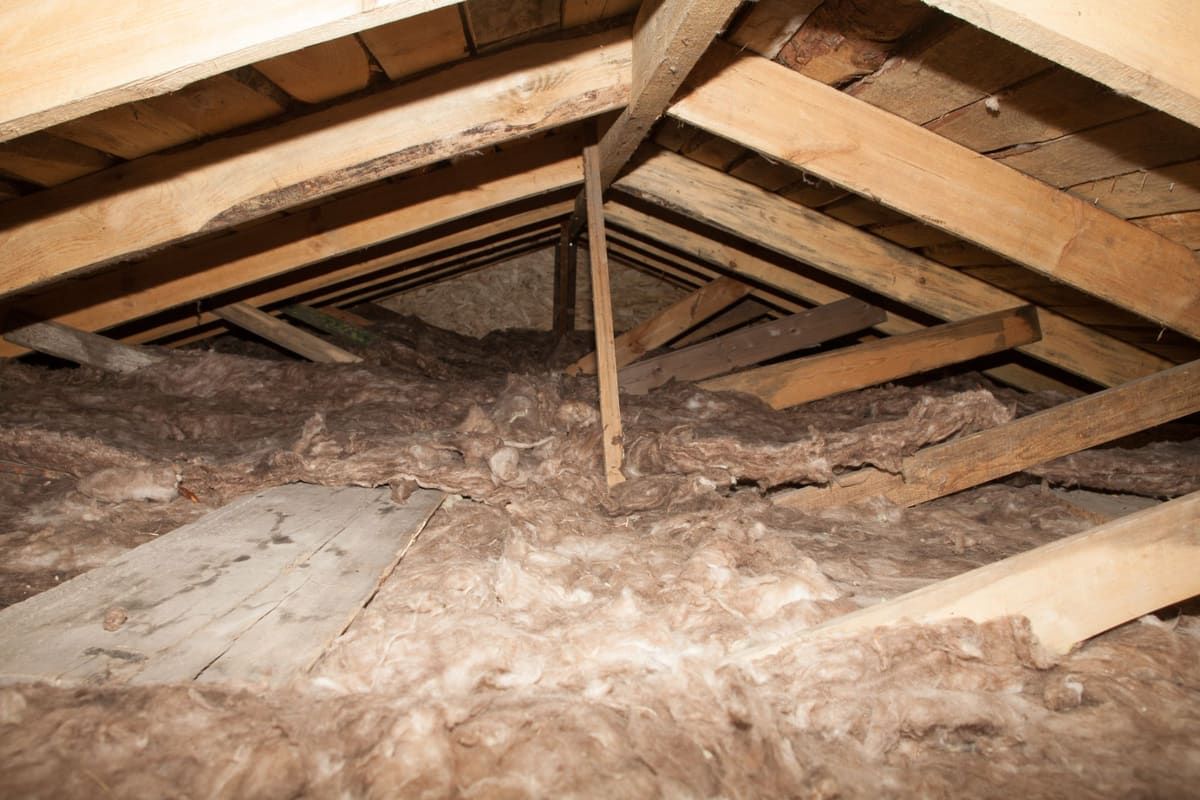
Soffit vents blocked by blown-in insulation, which traps winter moisture under the roof deck.

Bath fans venting straight into the attic, leaving mildew on the sheathing above.

Attic floor with loose insulation between the ceiling joists

What we check
  • Foundation walls for cracks, bowing and displacement
  • Beams, posts, joists and any cut or notched framing
  • The sill plate, where the house sits on the masonry
  • Past repairs: piers, wall braces, sistered joists
What we often find in Maryland homes

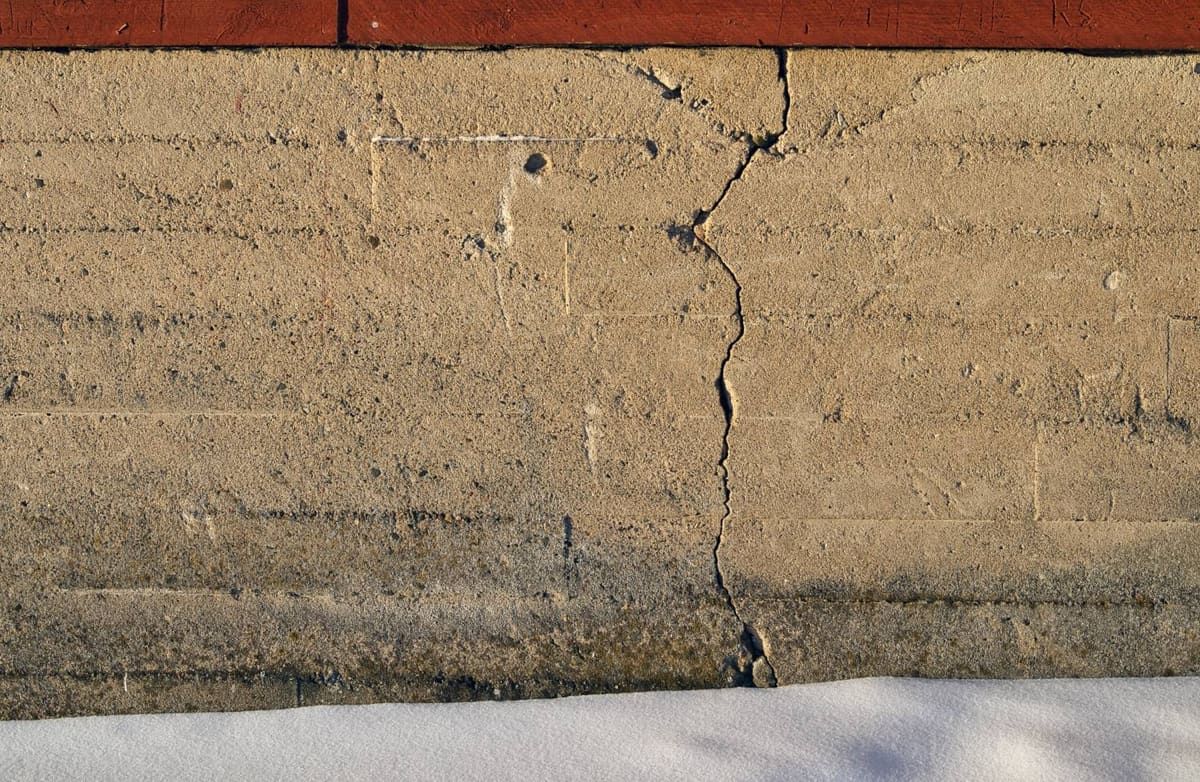
Horizontal cracks and inward bowing in block walls, common in 1950s to 70s homes on clay soil.

Stair-step cracks in block that are old and stable and only need watching.

Vertical crack running through a concrete foundation wall

What we check
  • Soil slope along the foundation
  • Downspout extensions and discharge points
  • Window wells, covers and drains
  • Driveways, walks and patios that pitch toward the house
What we often find in Maryland homes

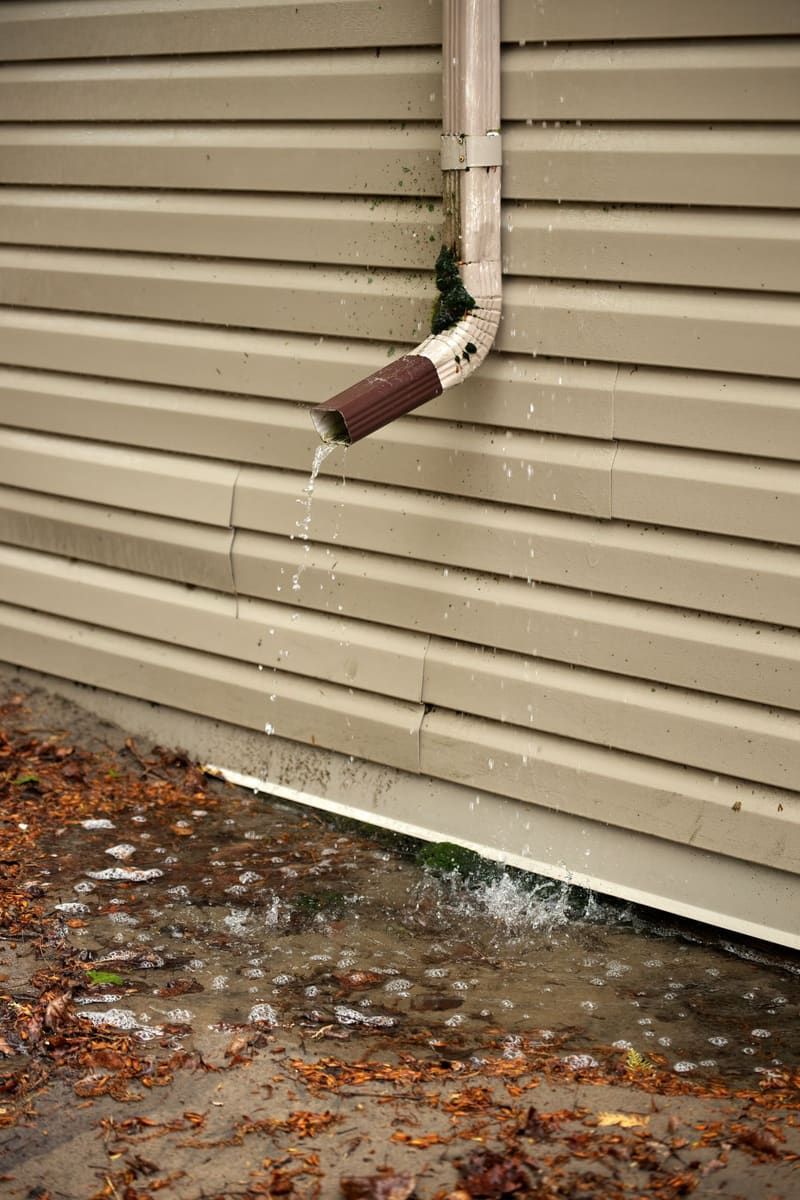
Downspouts emptying right at the foundation. Often the cheapest fix for a wet basement.

Mulch and soil built up against the siding over the years, hiding the sill.

Short downspout emptying rainwater right at the foundation

What we check
  • Panel interior, breaker sizing and double-tapped breakers
  • Service entrance, grounding and bonding
  • A sample of outlets for polarity, grounding and GFCI protection
  • Visible wiring, including aluminum branch circuits
What we often find in Maryland homes

Federal Pacific Stab-Lok and Zinsco panels, both with documented breaker failures, still turn up in older Carroll and Baltimore County homes.

Three-prong outlets swapped in on two-wire circuits with no ground behind them.

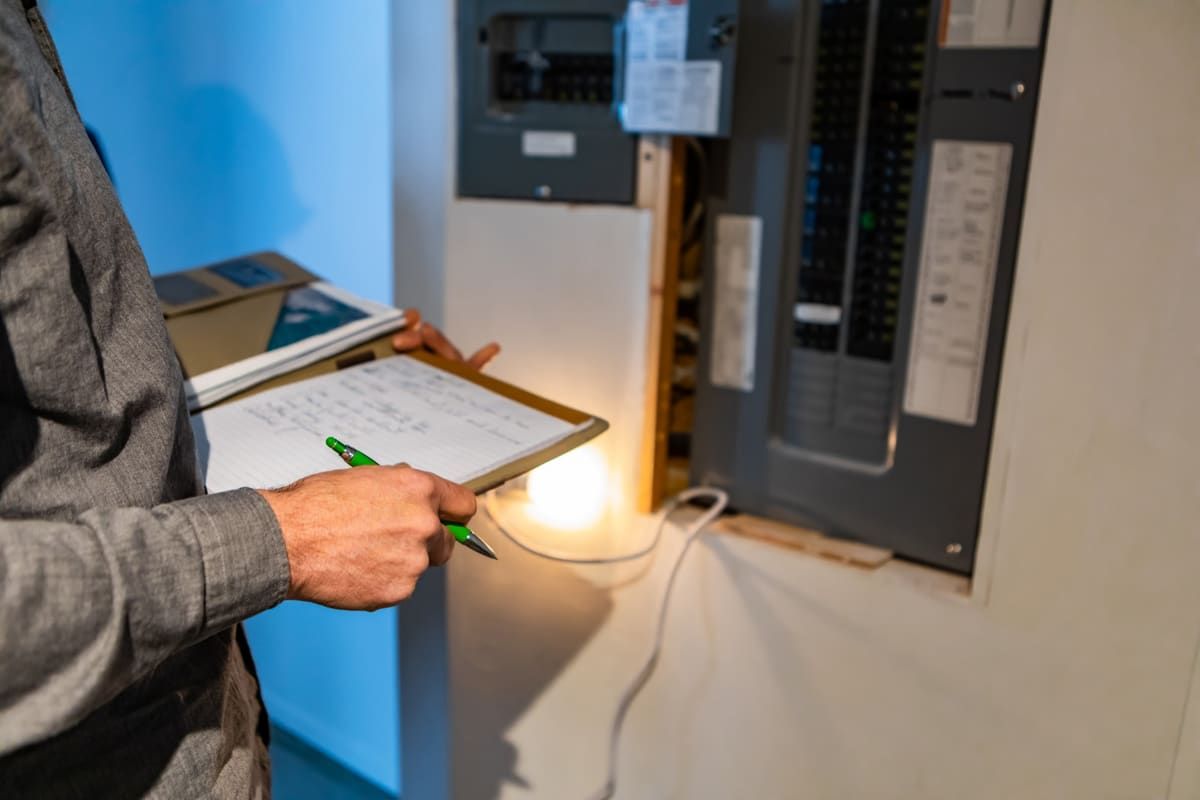
Inspector taking notes at an open electrical panel

What we check
  • Supply pipe material and visible leaks
  • Water pressure and flow at the fixtures
  • Drains, traps and venting
  • Main shutoff location and condition
  • Outdoor hose bibs
What we often find in Maryland homes

Gray polybutylene supply pipe from the late 1970s to mid-90s, which tends to fail at the fittings.

Galvanized steel supply lines in older homes, with low pressure on the upper floors.

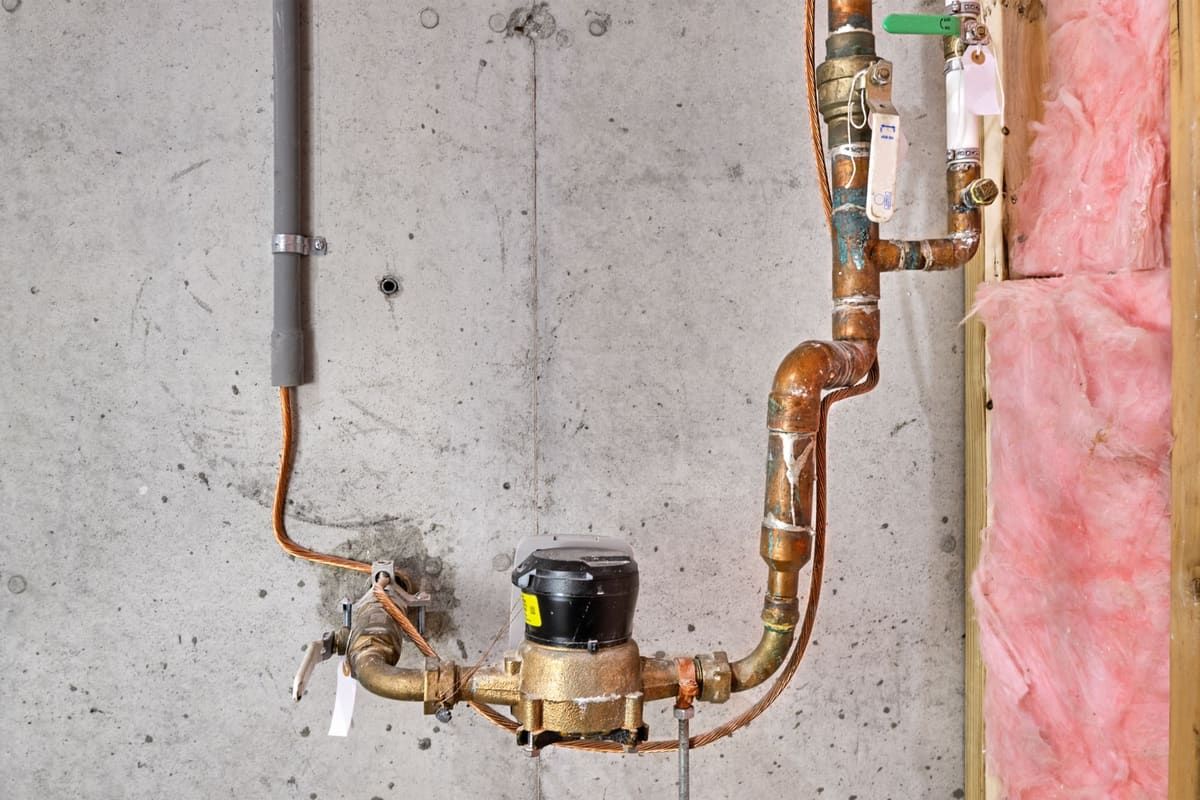
Main water line, meter and shutoff valve on a basement wall

What we check
  • Furnace, heat pump or boiler operation
  • Air conditioning temperature split
  • Filter, blower and visible heat exchanger
  • Flue venting and carbon monoxide concerns
  • Visible ductwork and supply at each room
What we often find in Maryland homes

Heat pumps past 15 years, still running but near the end of their service life.

Oil boilers in older homes, sometimes with an abandoned fuel tank nearby.

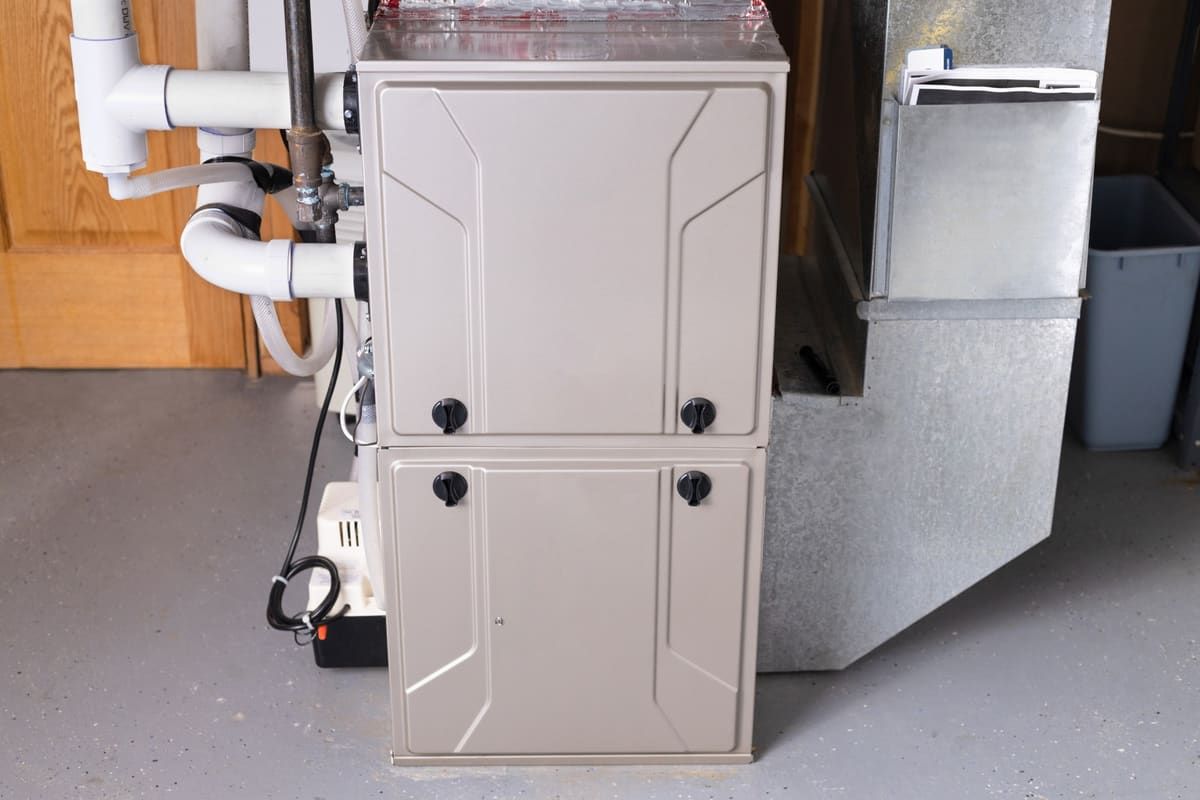
High-efficiency gas furnace in a basement

What we check
  • Age, read from the serial number
  • Temperature and pressure relief valve and its discharge pipe
  • Gas venting and combustion air
  • Corrosion and leaks at the base and fittings
What we often find in Maryland homes

Relief valve discharge pipes missing, capped, or cut off short.

Tanks past 12 years old with rust at the base.

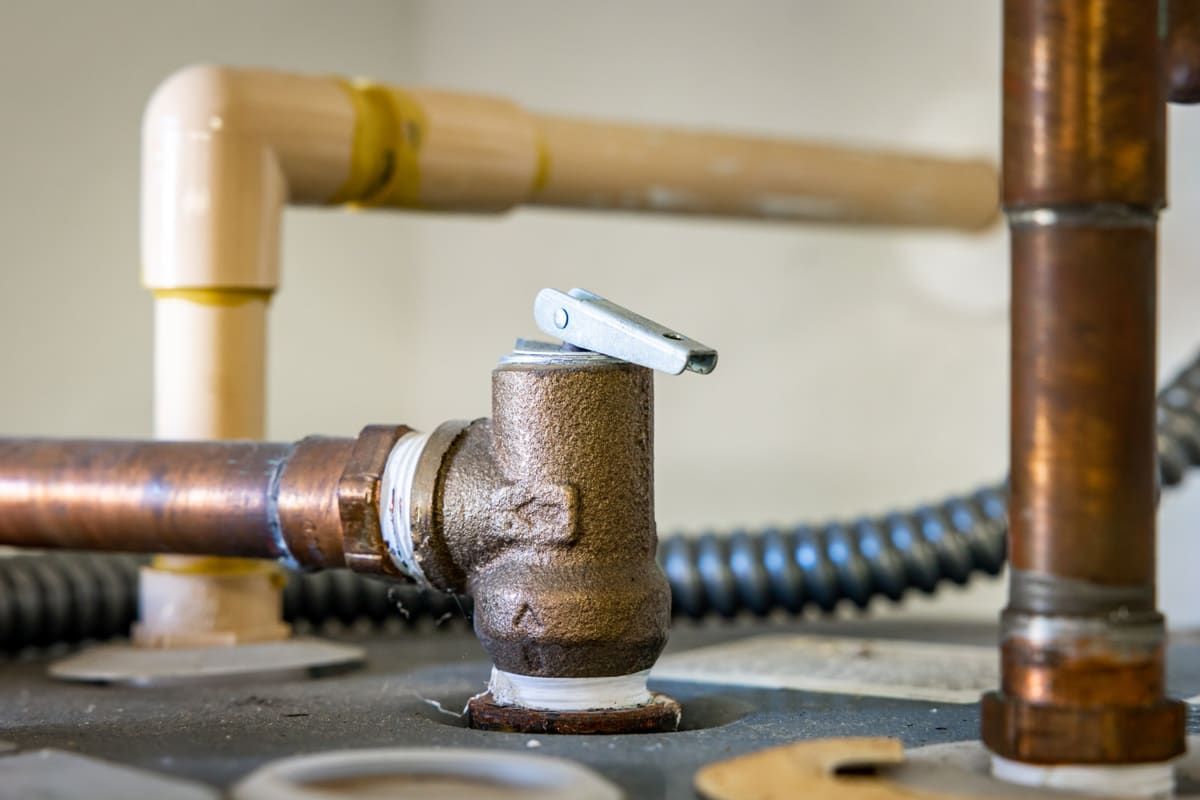
Temperature and pressure relief valve on top of a water heater

What we check
  • Operation, latches and locks
  • Failed seals and fogged double-pane glass
  • Flashing and rot at sills and trim
  • Bedroom egress windows
  • The door between the garage and the house
What we often find in Maryland homes

Fogged insulated glass in 20-year-old vinyl windows.

Soft wood at sills and door jambs on the weather side of the house.

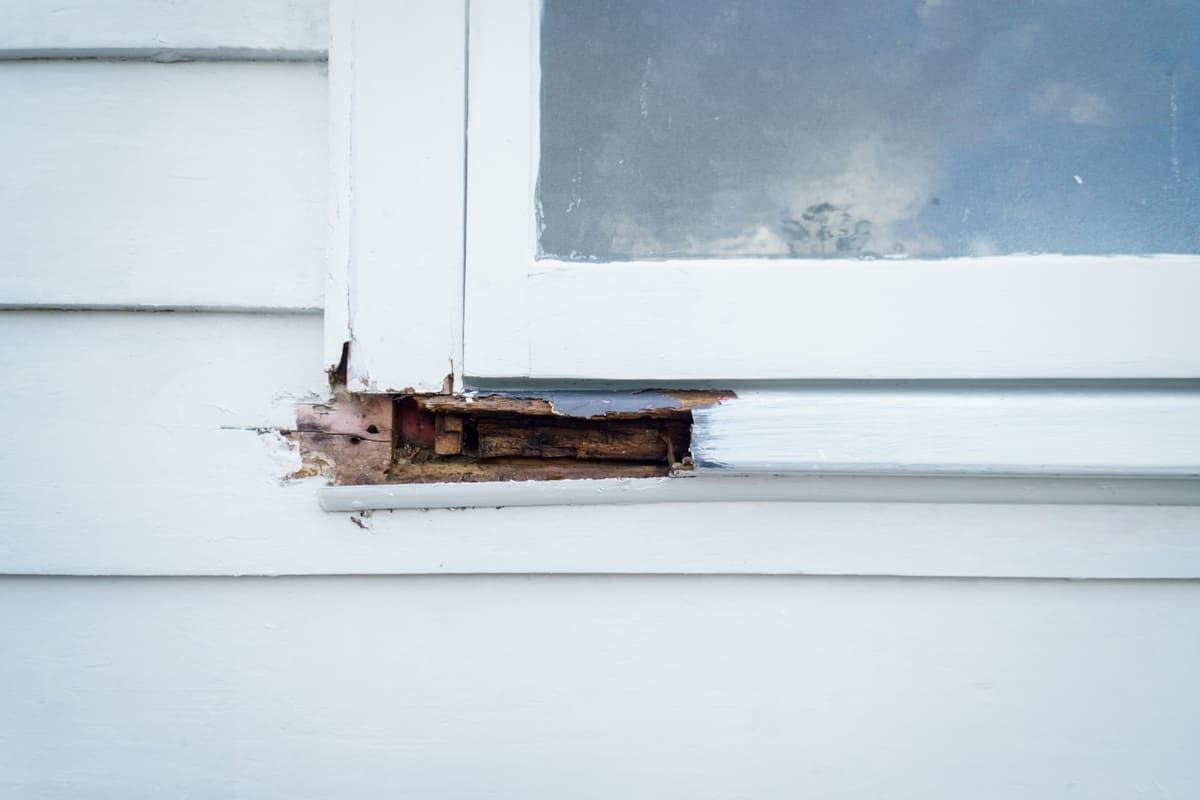
Rotted wood at an exterior window sill

What we check
  • Walls and ceilings for stains and cracking
  • Floors for slope, soft spots and damage
  • Stairs, handrails and guardrails
  • Smoke and carbon monoxide alarms
  • Built-in kitchen appliances, run through a cycle
What we often find in Maryland homes

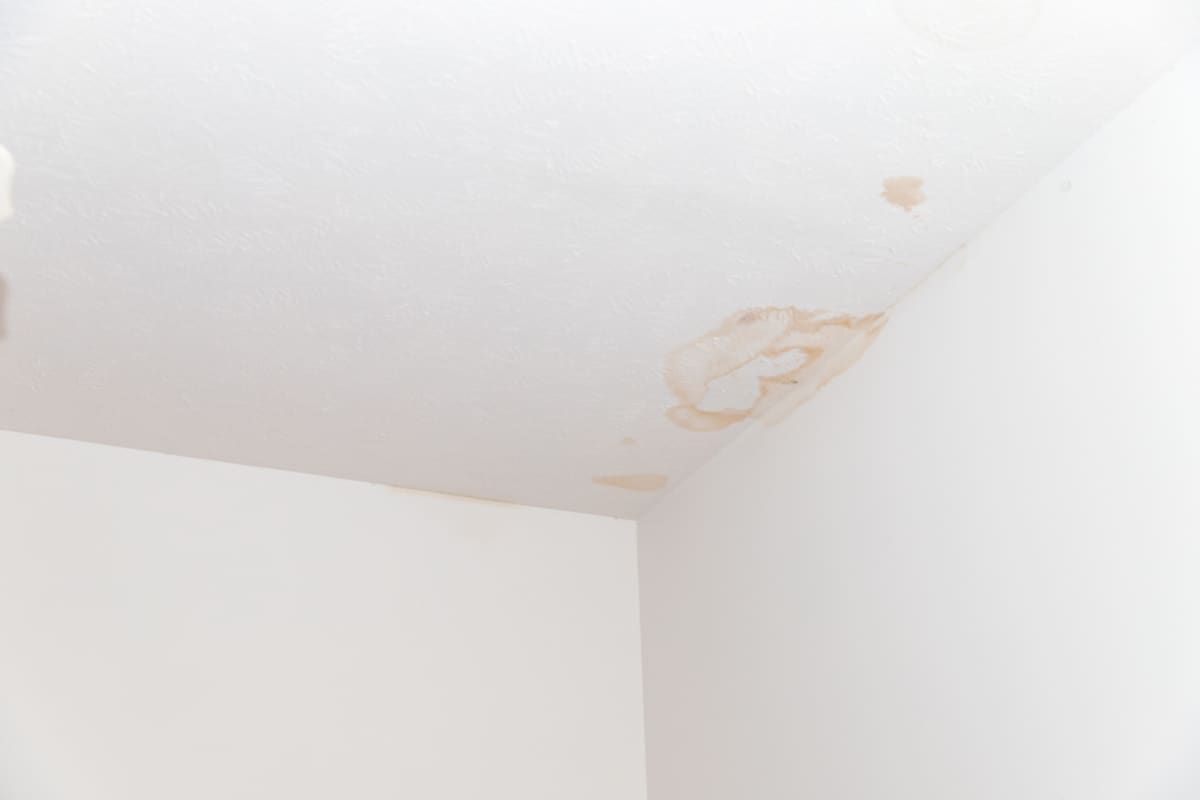
Ceiling stains below bathrooms from failed tub caulk or a slow supply leak.

Basement stairs with no handrail, or open risers on steep runs.

Water stain spreading across a ceiling corner

What we check
  • Moisture meter readings on walls and floors
  • Staining, water lines and white mineral deposits
  • Sump pump operation and where it discharges
  • Crawlspace vapor barrier and venting
  • Wood rot and mold-like growth on framing
What we often find in Maryland homes

White mineral deposits (efflorescence) on block walls, showing water moving through the masonry.

Sump pits with no pump, or a pump discharging a few feet from the wall.

What we check
  • Siding, trim and caulking
  • Deck ledger attachment, footings and railings
  • Garage door auto-reverse and fire separation to the house
  • Porches, steps and walkways
  • Detached garages and sheds, where accessible
What we often find in Maryland homes

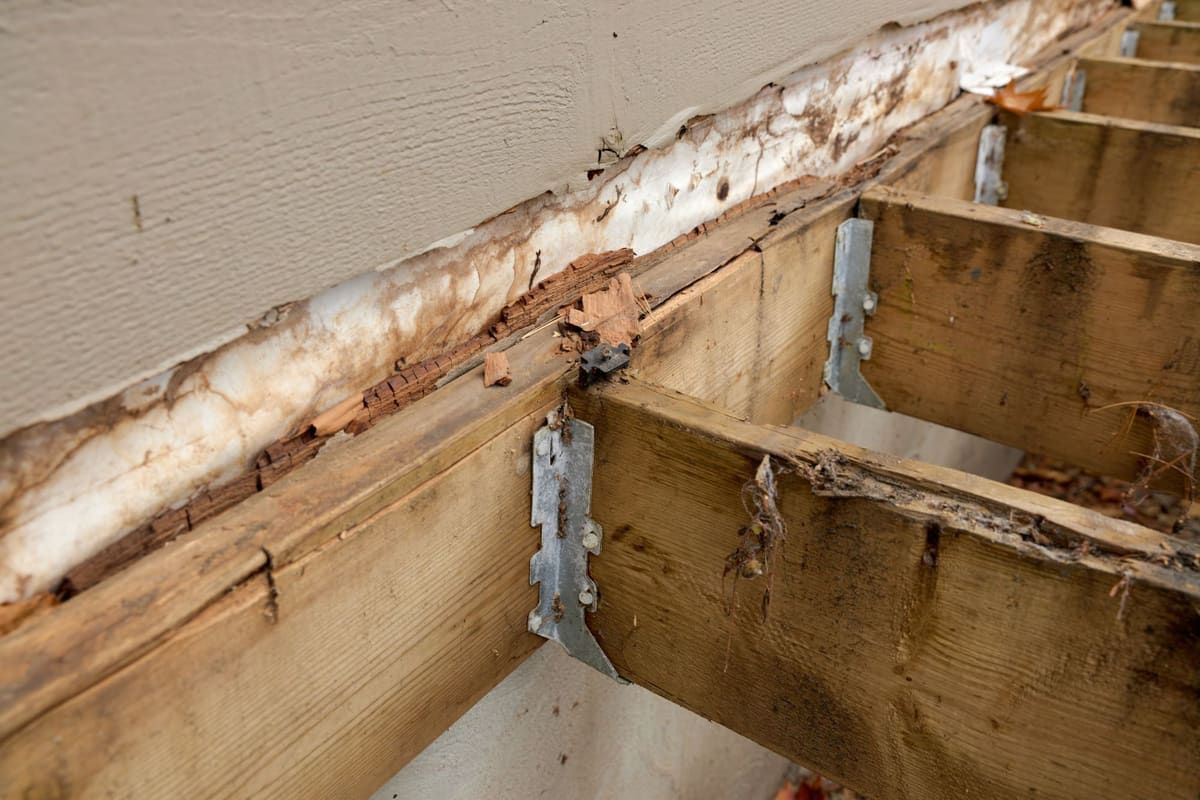
Decks fastened to the house with nails instead of bolts, and no flashing at the ledger board.

Garage door openers that don't reverse when they meet resistance.

Rotted rim joist behind a deck ledger board
Not included

What a standard inspection leaves out.

These take different equipment, a lab, or a separate license. We list them here so nobody assumes they were covered.

Most can be added to the same visit. If you're not sure you need one, call and we'll tell you straight.

  • Sewer lateral / camera scope
    We don't run a camera through the main line out to the street.
    Add this
  • Septic systems
    Tank, baffles and drain field need a septic inspection.
    Add this
  • Wells and water quality
    Well equipment and lab testing of the water itself.
    Add this
  • Anything hidden behind walls
    We can't see inside finished walls, floors or ceilings. When something points to a problem, we say where to open up.
    Ask us
  • Pools and spas
    Pumps, filters, heaters and the shell.
    Add this
  • Radon, mold and lead
    Tested only when ordered. Radon is worth adding on most Maryland homes.
    Add this
Century Home Inspections(443) 537-8823 · Sykesville, Maryland
Getting ready

A little prep makes for a better inspection.

Most gaps in a report come from a locked door or a blocked panel. Tick things off as you go, or print the list for the fridge.

If you're selling

0 of 5 done

If you're buying

0 of 4 done

Questions before inspection day? Call (443) 537-8823.

Get Started

Ready for a thorough inspection?

Call or message us today. We'll find a time that works for you.

Serving Carroll, Baltimore City & County, Howard, Montgomery & Frederick County