Homebuyer Tips · 9 Mar · 6 min read
Should You Do Air Quality Testing When Buying a Home in Maryland?
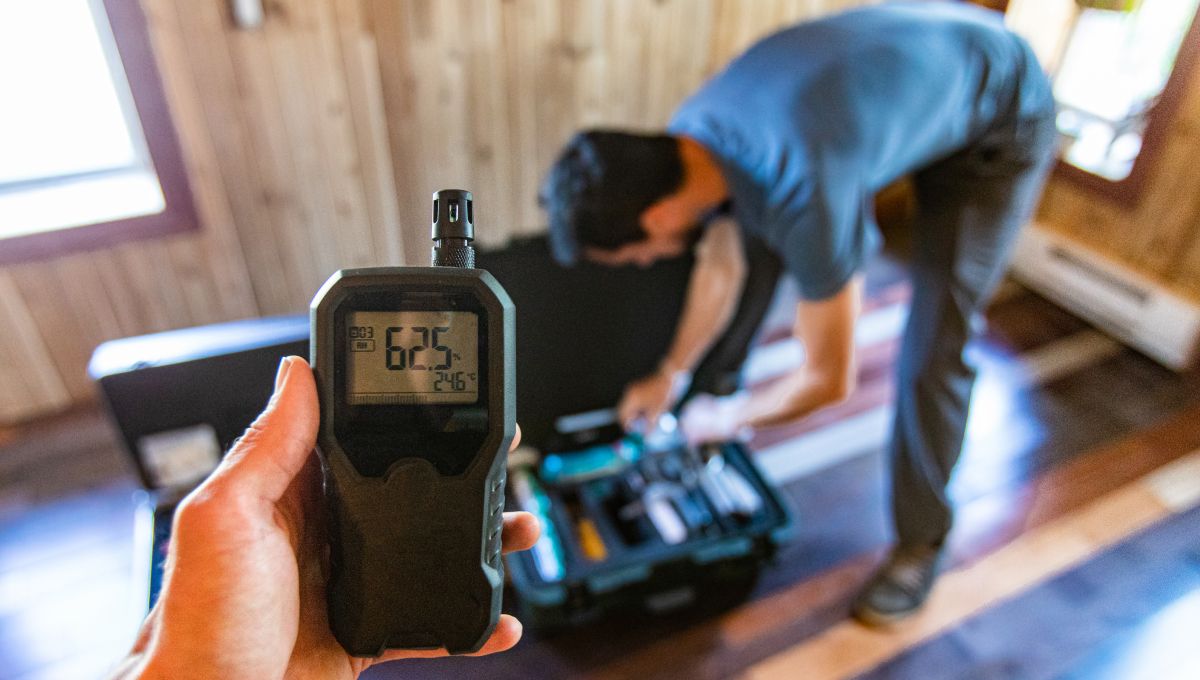
If you're buying a home in Maryland, air quality testing is something many buyers consider during the inspection period. While a standard home inspection checks structural and mechanical systems, it usually does not include detailed testing for indoor air contaminants.
Testing the air inside the home can reveal hidden issues such as radon gas, mold spores, or chemical pollutants that may affect your health after moving in.
For buyers in Maryland, certain air quality concerns are especially common due to regional soil conditions, humidity levels, and seasonal weather patterns.
Why Air Quality Testing Matters for Maryland Home Buyers
Radon Testing in Maryland
Radon is one of the most common air quality concerns for homes in Maryland. It is a naturally occurring radioactive gas that can enter homes through cracks in the foundation or basement floors.
According to the EPA, radon is the second leading cause of lung cancer in the United States.
Because of Maryland's geology, many home buyers choose to include radon testing during the home inspection process. If elevated levels are detected, mitigation systems can typically reduce radon to safe levels.
Many real estate contracts in Maryland include radon testing as part of the inspection contingency.
Mold and Moisture in Basements and Crawlspaces
Maryland's humid climate makes moisture problems relatively common, especially in basements and crawlspaces.
Excess moisture can lead to mold growth, which may not always be visible during a walkthrough. Air quality testing can sometimes detect mold spores circulating in the home.
Signs that mold testing may be worthwhile include:
- Musty odors
- Water stains on ceilings or walls
- Basement humidity
- Past flooding or water damage
- Poor ventilation in bathrooms or laundry rooms
For buyers with allergies or asthma, identifying mold issues before closing can be particularly important.
VOCs and Indoor Chemical Pollutants
Volatile Organic Compounds (VOCs) are gases released from materials such as paint, flooring, adhesives, cabinetry, and cleaning products.
Homes that have been recently renovated or newly constructed in Maryland sometimes contain elevated VOC levels. This is often what people refer to as the "new house smell."
Although VOC levels usually decline over time, higher concentrations can cause headaches, eye irritation, or respiratory discomfort for some people.
Carbon Monoxide and Combustion Gas Safety
Homes with gas furnaces, water heaters, fireplaces, or attached garages can potentially introduce combustion gases into indoor air.
Carbon monoxide is particularly dangerous because it is odorless and invisible.
Even if you do not perform full air quality testing, every Maryland home should have working carbon monoxide detectors installed on each level.
Pros and Cons of Air Quality Testing Before Buying a Home
Benefits
- Identifies hidden environmental problems — Air testing can reveal issues that may not be visible during a traditional home inspection.
- Provides negotiation leverage — If testing uncovers elevated radon or mold concerns, buyers may be able to request repairs, mitigation systems, or seller credits.
- Protects long-term health — Testing helps ensure the home environment is safe before moving in.
Potential Downsides
- Additional inspection cost — Air quality testing typically ranges from $150 to $600 depending on the number of tests performed.
- Lab results may take several days — Some air samples require laboratory analysis, which may take longer than a standard inspection report.
When Maryland Home Buyers Should Consider Air Quality Testing
Air quality testing is especially recommended if the home has:
- A basement or crawlspace
- Recent renovations or new construction
- Musty smells or visible water stains
- A location in a moderate to high radon zone
- Occupants with allergies, asthma, or respiratory sensitivities
In many Maryland real estate transactions, radon testing is considered the minimum recommended test.
The Bottom Line for Maryland Home Buyers
Air quality testing is not required when purchasing a home, but it can provide valuable insight into potential health risks inside the property.
Radon testing is strongly recommended in Maryland due to regional risk levels. Mold and moisture testing may also be worthwhile if the home shows signs of past water issues.
If you notice odors, recent renovations, or humidity problems during a walkthrough, additional air quality testing can help you make a more informed decision before closing on the home.